Brain and Body Cognitive Training for Mild Cognitive Impairment in Buffalo, NY
Speciality Consultation and Rehabilitation Services for those with Memory and Movement Changes
Buffalo and Western New York have some of the highest rates of Mild Cognitive Impairment and dementia in the country—yet very few providers offer true rehabilitation, not just “monitoring.”
At Buffalo Occupational Therapy, we specialize in early cognitive intervention, combining brain science, movement training, and hands-on neuromuscular techniques to help adults with MCI stay independent, confident, and in control of their brain health.
If you’re noticing memory changes, slowed thinking, or sharper difficulty managing daily tasks, you are not alone—and there is SO much we can do to help.
What is Mild Cognitive Impairment?
Mild Cognitive Impairment is a change in memory or thinking that is noticeable, but not severe enough to interfere with basic independence.
Many people with MCI:
-
Still drive
-
Still work or volunteer
-
Still manage daily life
-
Still live independently
-
Still have insight into changes
MCI is NOT dementia—and early, targeted training can help strengthen the parts of the brain that support memory, attention, and daily functioning.

What is Buffalo OT the Right Place for MCI?
You are not getting a generic “brain training” program, worksheets, or basic exercises.
You are getting a neuro-specialized, hands-on occupational therapy program designed specifically for adults with Mild Cognitive Impairment.
Buffalo OT is known for:
-
Being one of the only neuro-focused outpatient practices for MCI in WNY
-
Expertise in functional cognition and neuroplasticity
-
Using movement + cognitive training together (the most evidence-based model for MCI)
-
A strong, individualized, high-touch approach
-
Deep experience with adults who feel “not themselves” cognitively
-
A warm, non-clinical, empowering style of rehab
People don’t often know that MCI can improve.
We show them that it can.
Symptoms of Mild Cognitive Impairment
Therapy services can transform your fear and concern about memory changes to empowerment and control over your brain health. Click each example to learn more about each symptom.

Immediate Recall Difficulty
Immediate Recall Difficulty
Struggling to remember information right after learning it.
Working Memory
Working Memory
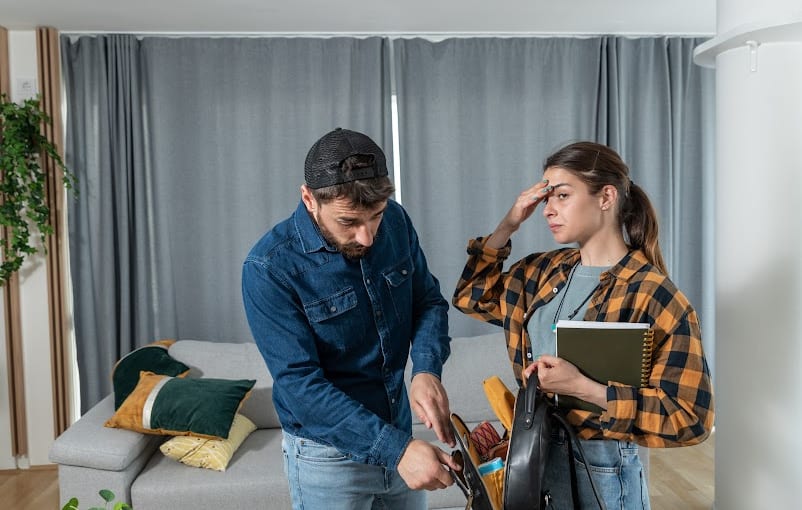
Do you find it challenging to remember things you just learned or heard?

Episodic Memory
Episodic Memory
Trouble remembering specific events or experiences from your past.

Autobiographical Memory Changes
Autobiographical Memory Changes
Memories across your lifespan become less detailed and more vague.

Prospective Memory Challenges
Prospective Memory Challenges
Difficulty remembering to perform tasks in the future without external reminders.

Slower Retrieval and Rapid Forgetting
Slower Retrieval and Rapid Forgetting
Finding it takes longer to recall information, and forgetting things more quickly.
What kinds of methods do we use during brain and body training?
Neuromuscular
Re-education (NMRE)
This helps your brain and muscles “talk” to each other again.
Even strong muscles won’t move correctly if the brain signals aren’t clear. NMRE improves balance, coordination, reaction time, and controlled movement.
Cross-Crawl Techniques
These movements use opposite arm and leg patterns to activate both sides of your brain. They improve coordination, walking, and the ability to think while moving.
Heavy Work
Heavy work uses resistance and muscle activation to build strength and stability. When paired with thinking or visual tasks, it helps the brain learn to control the body more efficiently.
Cognitive Flexibility Training
This helps your brain stay calm and adaptable when plans change or distractions happen.
You’ll practice problem-solving while moving so you can adjust more easily in daily life.
Brain Work
For clients with memory or thinking changes, we use structured activities to improve recall, focus, and attention.
We combine brain exercises with movement to strengthen how the brain processes information.
Visual Perception Strategies
Your eyes and brain work together.
We use activities that strengthen how you interpret what you see — improving balance, safety, memory, and navigation in daily life.
Neurocognitive Strategies
We combine thinking skills (like attention, problem-solving, and memory) with movement.
This helps the brain rewire itself and improves the way you think, remember, and coordinate movements.
Use of Self
Therapist-Guided, Hands-On Approach
We use a hands-on, personalized approach — not lots of machines or gadgets.
Your therapist uses skilled techniques to help your body move the right way and support natural recovery.
Functional Application
Our goal is independence.
We rebuild strength and cognitive skills, then teach you how to use them in real-life tasks — at home, work, or in the community.
Patient Education
We explain what’s happening in your brain and body, what can improve, and how therapy works — so you feel informed, confident, and in control of your recovery.
Home Activity Programs
Real progress happens between sessions. We give you simple daily activities to reinforce what you worked on in therapy and help your brain make long-term change.
Ready to Understand Your Memory Changes?
Book a Cognitive Evaluation With a Brain & Body Specialist
Early detection and early intervention are the most powerful tools we have to preserve independence and slow progression.
Your brain is worth fighting for—and we’re here to help.