Breathing Techniques to Reduce Muscle Spasticity and Improve Movement
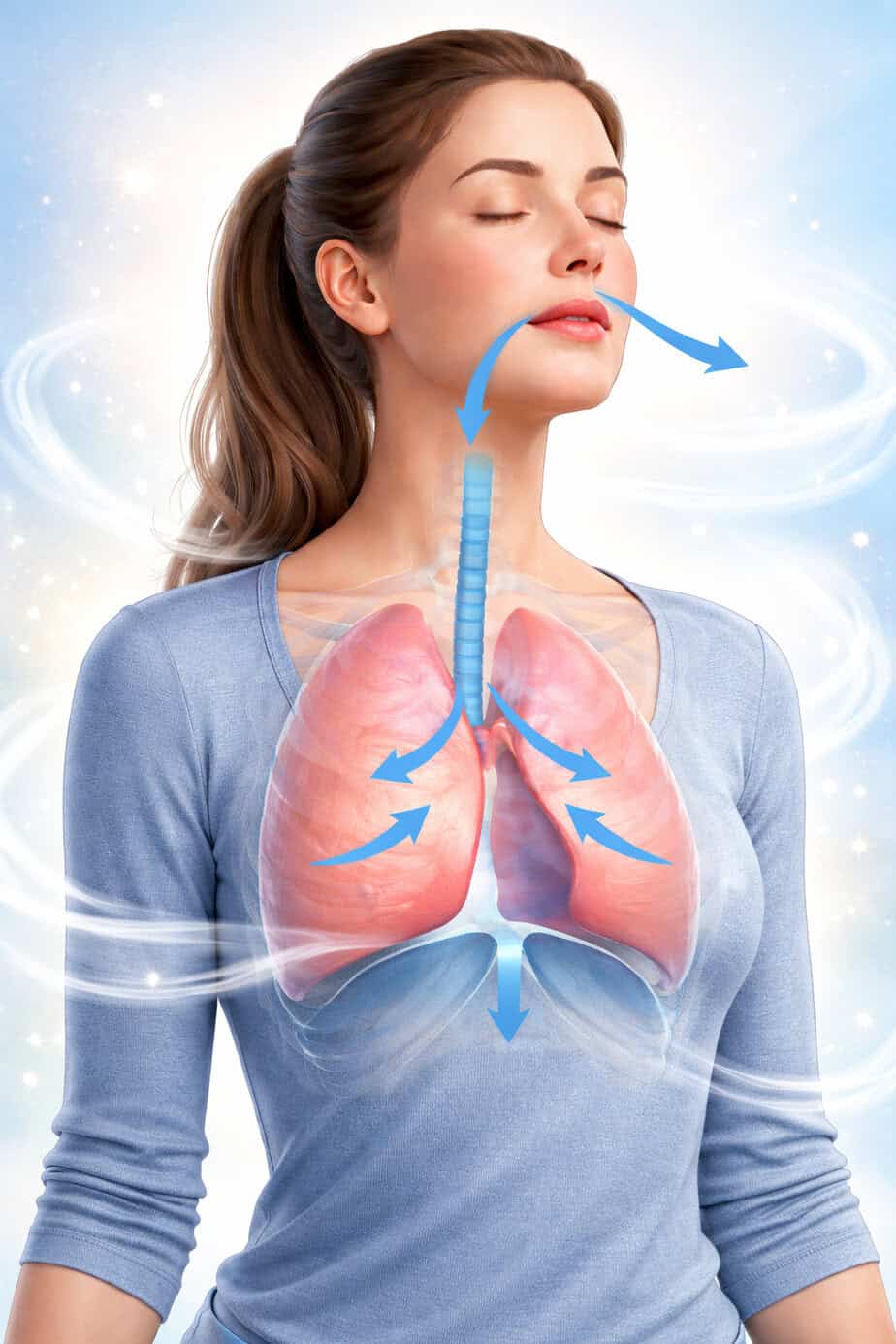
Simple breathing exercises can help relax your muscles and prepare your body for movement. Diaphragmatic breathing, often called belly breathing, activates your body’s relaxation system (the parasympathetic nervous system). This helps lower muscle tension, reduce stress, and improve flexibility before exercise or daily activities.
By focusing on slow, controlled breathing—especially longer exhales—you can help your muscles release tension and feel more relaxed. These techniques can be done while sitting comfortably or lying down.
Key Breathing and Relaxation Techniques
Diaphragmatic Breathing (Belly Breathing)
Place one hand on your chest and the other on your belly. Breathe in slowly through your nose and allow your belly to rise while keeping your chest mostly still. Then exhale slowly through pursed lips (like you are gently blowing out a candle). This slow breathing helps calm the nervous system and relax tight muscles.
Progressive Muscle Relaxation
This technique combines breathing with gently tightening and relaxing different muscle groups from your feet up to your head. As you breathe in, lightly tighten a muscle group. As you breathe out, release the tension and let the muscles fully relax. This can help decrease muscle stiffness and reduce anxiety.
Breathing for Spasticity Management
Slow, controlled breathing can help calm the nervous system and reduce muscle overactivity. This can be combined with gentle weight-bearing activities or firm pressure to muscles and tendons, which may help reduce muscle tightness.
Postural Support Through Breathing
Using diaphragmatic breathing reduces overuse of neck and shoulder muscles. This can decrease upper body tension and support better posture during daily activities.
Benefits of Breathing Exercises
- Reduced muscle tension by encouraging muscles to relax
- Improved nervous system regulation, helping your body shift into a calm state
- Better mobility and flexibility, allowing for smoother movement
- Improved posture by reducing strain in the neck and shoulders
Helpful Tips
- Practice these exercises for 5–10 minutes, a few times per day if possible.
- Choose a comfortable position, such as lying on your back with your knees bent or sitting upright with good support.
- Stop or reduce intensity if you feel pain, as discomfort can increase muscle tightness.
Breathing may seem simple, but it is a powerful tool. Practicing these techniques regularly can help your body relax, improve movement, and make daily activities feel easier.